what is rome known for — the simple guide to what makes it unforgettable

Start here: what you’ll actually remember about Rome
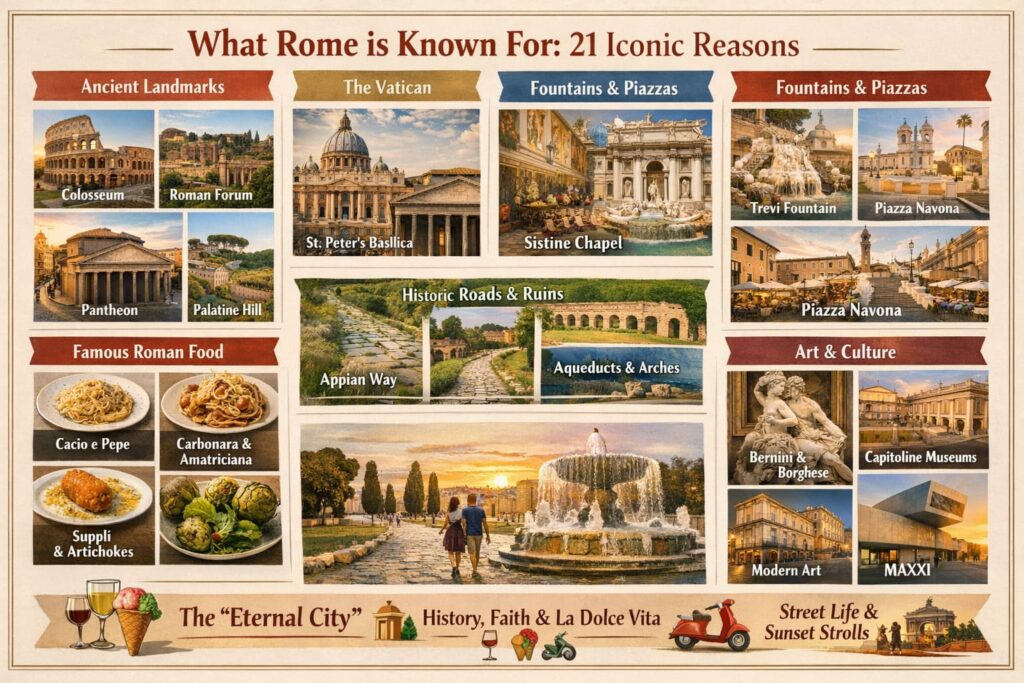
You’re asking what is rome known for because you want a clear picture—without the fluff—of what makes the city special. In a sentence: Rome is the capital of Italy, a living museum of ancient history, a center of Christian art and ritual, and a city that still eats, drinks, and strolls better than almost anywhere. It’s famous for world-class ruins, the Vatican, fountains and piazzas, bold pasta dishes, and a street life that keeps going long after sunset. That’s the headline. Now let’s unpack it, in plain English.
The “Eternal City” idea (and why it stuck)
Rome’s most quoted nickname is the Eternal City—the belief that Rome endures, whatever the era brings. You meet that feeling in the layers around you: imperial ruins next to Renaissance churches, modern cafés around Baroque fountains. Classic encyclopedias summarize Rome as Italy’s capital and one of the most influential cities in world history; the “Eternal City” label shows up often in that context.
Quick take: if you’re after one sentence for what Rome is known for—enduring power, art, and everyday pleasure in one place.
Ancient landmarks: why the stones matter
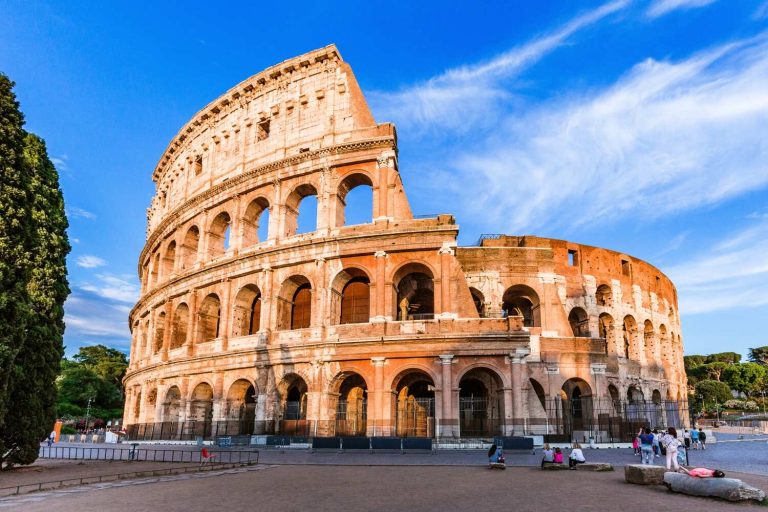
- Colosseum – The world’s most famous arena. Gladiators are long gone, but the oval still defines the skyline and the city’s dramatic past.
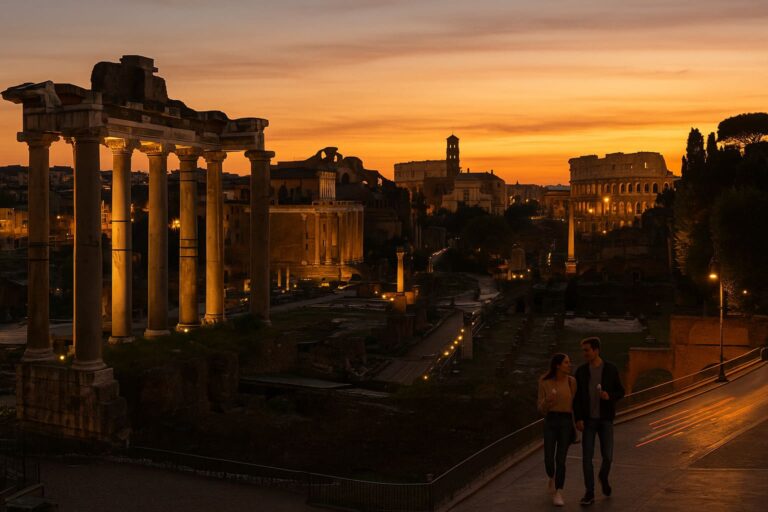
- Roman Forum – Once the beating heart of politics and commerce. Walk it and you’ll “get” ancient Rome more than from any book.
- Palatine Hill – The imperial neighborhood above the Forum; legends say Rome’s story began here.
- Pantheon – The best-kept ancient building in town; its concrete dome still shocks architects today.
Why people care: These monuments aren’t just old—they still work as spaces. You step from a loud street into the Pantheon and the hush says everything.
The Vatican, faith, and masterpiece ceilings
Inside Rome sits a tiny independent state: Vatican City, home to St. Peter’s Basilica and the Sistine Chapel. This cluster of sites anchors Rome’s global religious role and art scene. The broader Historic Centre of Rome (together with Vatican properties) is recognized as a UNESCO World Heritage site—one reason many travelers put the city on their lifetime list.
Traveler tip: even if you’re not an art buff, the Sistine Chapel ceiling is a “go quiet and look up” moment. Book timed entry when possible.
Fountains, piazzas, and everyday theater
- Trevi Fountain – Toss a coin and “promise” to return; the splash, the marble, the crowd—pure Roman theater.
- Piazza Navona – Elliptical baroque beauty with Bernini’s fountain center stage.
- Spanish Steps – A cinematic climb between an iconic square and a hilltop church.
Why Rome is known for them: You don’t just see fountains and squares—you use them. Sit, lick gelato, people-watch. It’s social architecture.
Roads, arches, aqueducts: engineering that still inspires
- Appian Way – The straight old highway you can walk or cycle today.
- Arches, bridges, aqueducts—Rome wrote the manual on getting water and people where they need to go. The city’s technical legacy is why we still say “All roads lead to Rome.”
Mini-lesson: Rome is known for practical genius: build it once, make it last.
Food you’ll talk about on the plane home
Rome’s fame isn’t just marble—it’s pasta, pizza al taglio, and artichokes. The core dishes are humble, salty, and addicting.
- Cacio e pepe – Pecorino Romano + black pepper + pasta. It’s creamy without cream when made right.
- Carbonara – Eggs, guanciale, pecorino, pepper.
- Amatriciana – Tomato, guanciale, pecorino.
- Supplì – Fried rice croquettes with melting mozzarella.
- Carciofi – Artichokes, Jewish-Roman style (alla giudia) or braised (alla romana).
Neighborhoods for food: Trastevere (buzzy lanes), Testaccio (market roots). Eat early? No need—Romans dine late.
Churches and layers of art beyond the big names
- Basilica di San Clemente – One building stacked on older buildings, like a time sandwich.
- Galleria Borghese – Bernini’s sculptures will make you rethink marble forever.
- Capitoline Museums – A history crash course with a city view.
- MAXXI – Rome’s modern edge in a Zaha Hadid building.
Short answer to “art vs ruins—what’s Rome known for more?” Both. You move from antiquity to Caravaggio to contemporary design in a single day.
Street life: coffee bars, passeggiata, and late nights
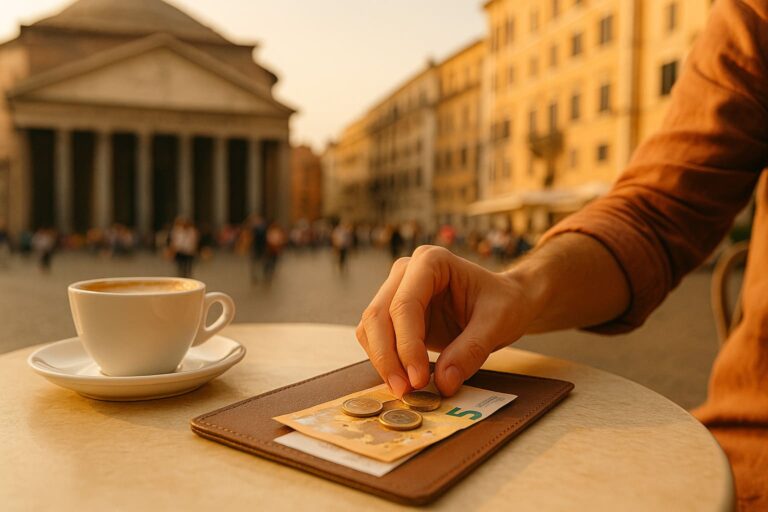
Rome is famous for the passeggiata—the evening stroll. Order a quick espresso at the counter (cheaper than sitting), then wander. Pick a piazza, any piazza. Let the city do the rest.
- Morning: stand at the bar for a cappuccino and cornetto.
- Late afternoon: spritz or house wine with small snacks.
- Night: gelato and an unhurried walk.
Why it matters: Rome isn’t only architecture; it’s tempo. The city teaches you to slow down and look.
Markets, shopping streets, and crafts
- Campo de’ Fiori – Produce by day, lively by night.
- Via del Corso – Main artery for big-name brands.
- Side streets around the Spanish Steps hide small leather and artisan shops—good for belts, wallets, notebooks.
What to buy: olive-oil soaps, local ceramics, quality paper, and food gifts (check your country’s rules for bringing things home).
Film moments that made Rome famous
La dolce vita isn’t a slogan; it’s a mood shaped by cinema. Think fountain scenes, Vespas gliding through historic streets, dramatic staircases and terraces. Rome is known for movie-ready backdrops because the city really looks like a set—especially at golden hour.
Festivals and calendar highlights
From Easter liturgies at St. Peter’s Square to summer nights with outdoor concerts, Rome knows how to put on a show. December lights, spring wisteria, autumn artichokes—pick a season and you’ll find “only-in-Rome” moments.
Modern city, living capital
Rome isn’t stuck in the past. It’s the capital city of a modern European state, with universities, startups, and a food scene that riffs on tradition without losing it. When people say “Rome today,” they mean the balance: daily life happening inside a 2,000-year-old frame. (For background on the city’s standing and its long pull through history, see reputable encyclopedic overviews.)
People Also Ask (quick answers)
Is Rome known more for churches or ruins? Both define the city. The ruins explain Rome’s power; the churches and the Vatican explain its art and spiritual reach. The two are neighbors, literally and culturally.
What makes Rome unique vs. other European capitals? The density of first-rank ancient sites, the presence of a sovereign micro-state inside the city, and a day-to-day street life (coffee, piazzas, markets) that’s easy to join.
What food is Rome most famous for? Four pastas—cacio e pepe, carbonara, gricia, amatriciana—plus supplì and seasonal artichokes. Simple, salty, satisfying.
A short story you’ll recognize
Picture this: you duck out of a narrow lane into a wide square. A fountain roars. Kids chase pigeons across the stone. A violinist starts something soft. You grab a bench with a paper cup of gelato. Behind you, a church door opens and a wedding party spills into the light. In five minutes, you’ve hit half the things Rome is known for—stone, water, music, food, faith, and people—without even trying.
FAQ
What is Rome best known for today?
A mix of ancient monuments (the Colosseum, the Roman Forum, the Pantheon), Vatican art (St. Peter’s and the Sistine Chapel), and a street culture of piazzas, fountains, and food.
Why is Rome called the Eternal City?
Because people have believed, since antiquity, that Rome has a special destiny to endure. The nickname shows up in classic references and modern summaries of the city.
Is the Vatican part of Rome?
Geographically inside Rome, but legally a separate city-state. For heritage and sightseeing, it’s treated with Rome as a single must-see area by UNESCO.
Which museums are a must?
Galleria Borghese for sculpture that looks alive; Capitoline Museums for a sweep of Roman history; MAXXI for contemporary art.
Where should I go for a classic evening?
Start near Piazza Navona or the Spanish Steps, wander for gelato, and sit by a fountain. That’s the Roman way.
Wrap-up: the one-paragraph answer
what is rome known for? For endurance and delight: emperors’ arenas and domes that still stand, Vatican masterpieces, piazzas that turn strangers into audiences, and food that keeps dinner tables loud and happy. If you want a city where world history and daily pleasure share the same street, Rome is it.
The 21 fast reasons (skim-friendly)
- Colosseum • 2) Roman Forum • 3) Pantheon • 4) Palatine Hill • 5) Vatican City • 6) St. Peter’s Basilica • 7) Sistine Chapel • 8) Trevi Fountain • 9) Piazza Navona • 10) Spanish Steps • 11) Appian Way • 12) Aqueducts & arches • 13) Cacio e pepe & pasta canon • 14) Supplì & artichokes • 15) Trastevere nights • 16) Testaccio market roots • 17) Bernini & Baroque • 18) Galleria Borghese • 19) Capitoline Museums • 20) MAXXI • 21) La dolce vita mood