How long did it take to build rome — a simple timeline that actually answers your question
Short answer: it took centuries. If you’re asking how long did it take to build Rome, the truth is that the city grew layer by layer from early huts on the hills (8th century BCE) to imperial monuments, then Renaissance and Baroque masterpieces, and finally the modern capital. In other words, Rome wasn’t built in a day—and it still isn’t “finished.”
Why the question matters (and a 30-second answer)
When you plan a trip, watch a video about the Roman Empire, or wonder how the Colosseum, the Pantheon, and the Trevi Fountain fit together, you’re really asking: how long did it take to build Rome into what I see today? The fast answer: more than 2,700 years of continuous building, rebuilding, and smart reuse of old structures.
Quick takeaway: how long did it take to build Rome? From the legendary founding (753 BCE) through the empire and the city’s later revivals, you’re looking at millennia, not years.
The first layers: huts, roads, and drains (8th–6th century BCE)
Archaeology shows early settlements on the city’s hills in the 8th century BCE. By the 6th century BCE, Rome wasn’t just huts—it had public spaces and drainage that let life in the low ground (the future Roman Forum) actually work in winter. From the start, Romans thought like engineers: if a valley flooded, they channelled water; if a hill blocked a route, they cut a road through it.
A huge leap came with roads. The Appian Way (Via Appia) launched in 312 BCE, one of the earliest and most famous Roman roads. It connected Rome to southern Italy and set the pattern: straight, durable, and built to last.
Micro-summary: the “build time” for early Rome spans centuries, as villages fused into a city and the first big infrastructure (roads, drains, public spaces) locked it together.
Augustus to late empire: when marble replaced brick (1st century BCE–4th century CE)
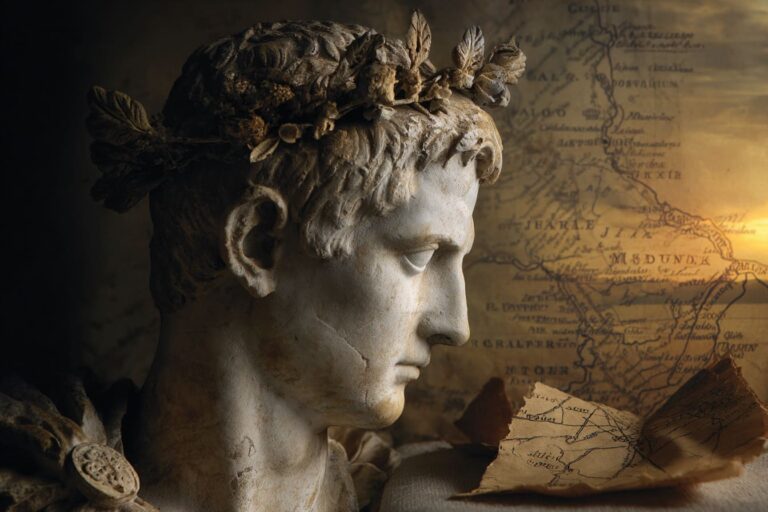
If you’re picturing “classical Rome,” you’re probably seeing the Augustan and imperial makeover. Augustus bragged he “found Rome a city of brick and left it a city of marble.” In this era, the answer to how long did it take to build Rome includes huge, multi-decade projects:
- Colosseum: begun under Vespasian around 70–72 CE, inaugurated by Titus in 80 CE, and completed/expanded under Domitian soon after. That’s roughly a decade to open and a few more years for upper-tier expansions—fast for something this large. Read Britannica’s overview of Rome with Colosseum details (excellent background).
- Pantheon: the present rotunda and dome date to Hadrian (c. 118–128 CE), rebuilding an earlier temple by Agrippa (27–25 BCE). Ten-ish years for the rebuild, and it still holds the world’s largest unreinforced concrete dome.
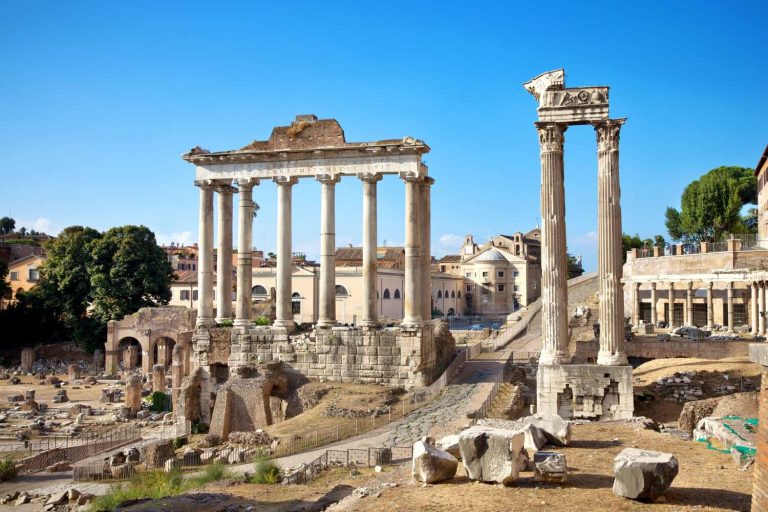
- Roman Forum: not one build but centuries of temples, basilicas, arches, and public buildings added piece by piece. Think of it as Rome’s project list, always under construction.
Mini-verdict for this era: flagship monuments took from several years to a few decades each, while the urban fabric around them evolved constantly.
After the emperors: churches, reuse, and resilience (5th–15th century)
When imperial power shifted east and Rome shrank, construction never stopped—it changed. Builders reused columns, marble, and brick from ancient sites to raise Christian basilicas and neighborhood churches. This “recycling” kept the city alive through smaller, steady works rather than mega-projects. If you zoom out, the “build time” for Rome kept ticking, just with a slower beat.
The Baroque burst: fountains, squares, and stairs (16th–18th century)
When you ask how long did it take to build Rome, don’t forget the city you photograph today owes tons to the Baroque age:
- Piazza Navona: built over Stadium of Domitian, reshaped in the 17th century with churches and fountains. (Yes, the “new” square sits on an ancient athletics track—Rome’s layers in action.)
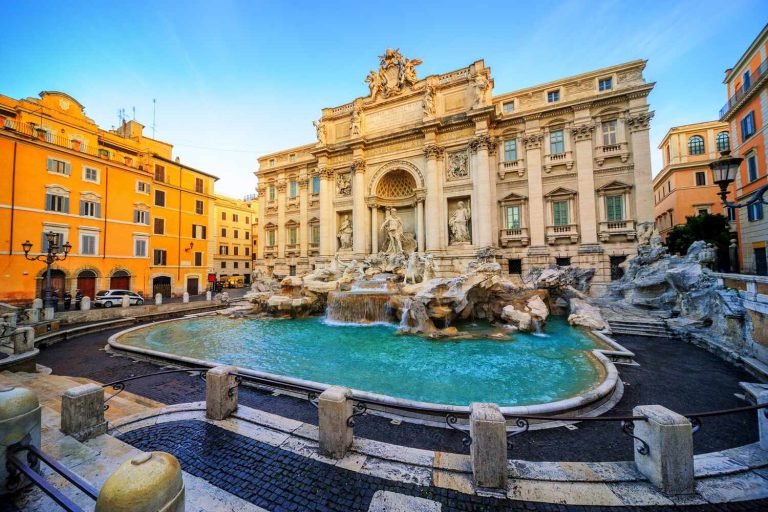
- Trevi Fountain: designed by Nicola Salvi in 1732 and completed in 1762 (Giuseppe Pannini finished it), sourcing water from the ancient Aqua Virgo aqueduct (19 BCE). That’s 30 years for the fountain itself, and almost 1,800 years of the water source’s story! (See Britannica’s note that Trevi was completed in 1762 and fed by Aqua Virgo.)
- Spanish Steps: constructed 1723–1726 to link Trinità dei Monti to Piazza di Spagna—just a few years for one of Rome’s most photographed climbs.
What this era proves: some of Rome’s most beloved sights took 3–30 years to complete individually, but they plugged into ancient infrastructure that’s thousands of years older.
Modern Rome: nation-building, parks, and constant maintenance (19th–21st century)
After Italian unification (1870), Rome gained ministries, boulevards, embankments along the Tiber, and new neighborhoods. Villa Borghese opened to the public in the 19th–20th centuries, and museums expanded. Recent decades brought metro lines, pedestrian zones, and full restorations (for example, high-profile cleanings at the Colosseum and Trevi Fountain).
Rome keeps building—not just new structures, but care for old ones. The city you visit today is a living construction project.
So… how long did it take to build Rome? Let’s make it plain.
If your goal is a single number, here’s the honest, useful way to think about it:
- Founding to first monumental city: roughly 300–400 years from early huts to a fully organized city with roads and public spaces (8th–5th centuries BCE).
- Classical “marble Rome” you imagine: around 100–250 years of intense imperial building (1st century BCE to 2nd century CE), including the Colosseum (≈10 years to open), the Pantheon (≈10 years to rebuild), and waves of temples, baths, and forums.
- City you photograph today: add another 300 years for the Baroque make-over (squares, churches, fountains like Trevi and the Spanish Steps), plus 150+ years of modern works.
Bottom line: how long did it take to build Rome? More than two and a half millennia, with individual icons ranging from a few years (Spanish Steps) to three decades (Trevi), and with ancient systems (roads, aqueducts) still doing the heavy lifting underneath.
People also ask (and quick answers)
Was Rome literally built in a day?
No—it’s a proverb meaning great things take time. Historically, the city formed across millennia; even single monuments like the Colosseum needed close to a decade to debut, then more years for finishing touches.
How long did the Colosseum take to build?
Construction started under Vespasian (around 70–72 CE), was inaugurated by Titus in 80 CE, and refined under Domitian. So: roughly 8–10 years to open, a few more to complete upper levels.
How long did the Pantheon take?
Hadrian’s rebuild took about a decade (c. 118–128 CE), replacing Agrippa’s earlier temple. The fact it still stands shows how advanced Roman engineering was.
When was the Trevi Fountain built?
Designed 1732, completed 1762—about 30 years, fed by the ancient Aqua Virgo aqueduct.
A simple, traveler-friendly timeline you can picture
- 753 BCE (legend): Rome’s founding date traditionally given by ancient writers. The point isn’t the exact day; it’s that Rome’s story starts very early.
- 6th–4th centuries BCE: public spaces form; early drainage; city identity hardens.
- 312 BCE: Via Appia is launched; roads make Rome the center of Italy.
- 1st c. BCE–2nd c. CE: the Forum flourishes; Colosseum and Pantheon rise.
- 17th–18th centuries: Baroque Rome—Piazza Navona, Trevi Fountain, Spanish Steps.
- 19th–20th centuries: capital of unified Italy; new boulevards, parks, museums, and restorations.
Now when someone asks how long did it take to build Rome, you can answer with confidence: thousands of years, and the work never really stopped.
A quick story to make it stick
Picture this: you’re standing at **Piazza Navona eating gelato. Beneath your feet lies a 1st-century stadium. A short walk takes you to the Pantheon with its 2nd-century dome, then ten minutes later you’re at the Trevi Fountain, an 18th-century showpiece fed by a 1st-century-BCE aqueduct. In a single hour, you crossed nearly 2,000 years of building. That’s Rome’s timeline in real life.
Smart resources (2 trusted links placed right where you need them)
- Deep background on Rome’s eras (includes Colosseum timeline): Encyclopaedia Britannica – Rome (History).
- Official updates for the Pantheon (museums authority in Rome): Direzione Musei Roma – Pantheon.
(You don’t need more than two—these cover most questions and point you to the details.)
FAQ — bite-size answers you can scan
How long did it take to build Rome, in years?
From founding to the classic imperial city: roughly 800–900 years. From there to the Baroque city you see in photos: add 1,500+ years. Net-net: 2,700+ years and counting.
If I had to compare timelines: Colosseum vs. Trevi?
Colosseum: ≈10 years to open (70s–80 CE). Trevi Fountain: ≈30 years (1732–1762). Different scales, different eras.
Which single project took longest to “shape” the city?
Not a building—a network: roads and aqueducts gradually built, repaired, and extended for centuries. They let every later era plug in new showpieces.
Final wrap-up
Definition you can reuse: How long did it take to build Rome? More than 2,700 years. Early villages became a city by the classical period, imperial projects like the Colosseum and Pantheon took years to decades, and Baroque landmarks such as the Trevi Fountain arrived millennia later—with modern Rome still adding and restoring today.