Who was roman emperor when jesus died — the simple answer and why it matters
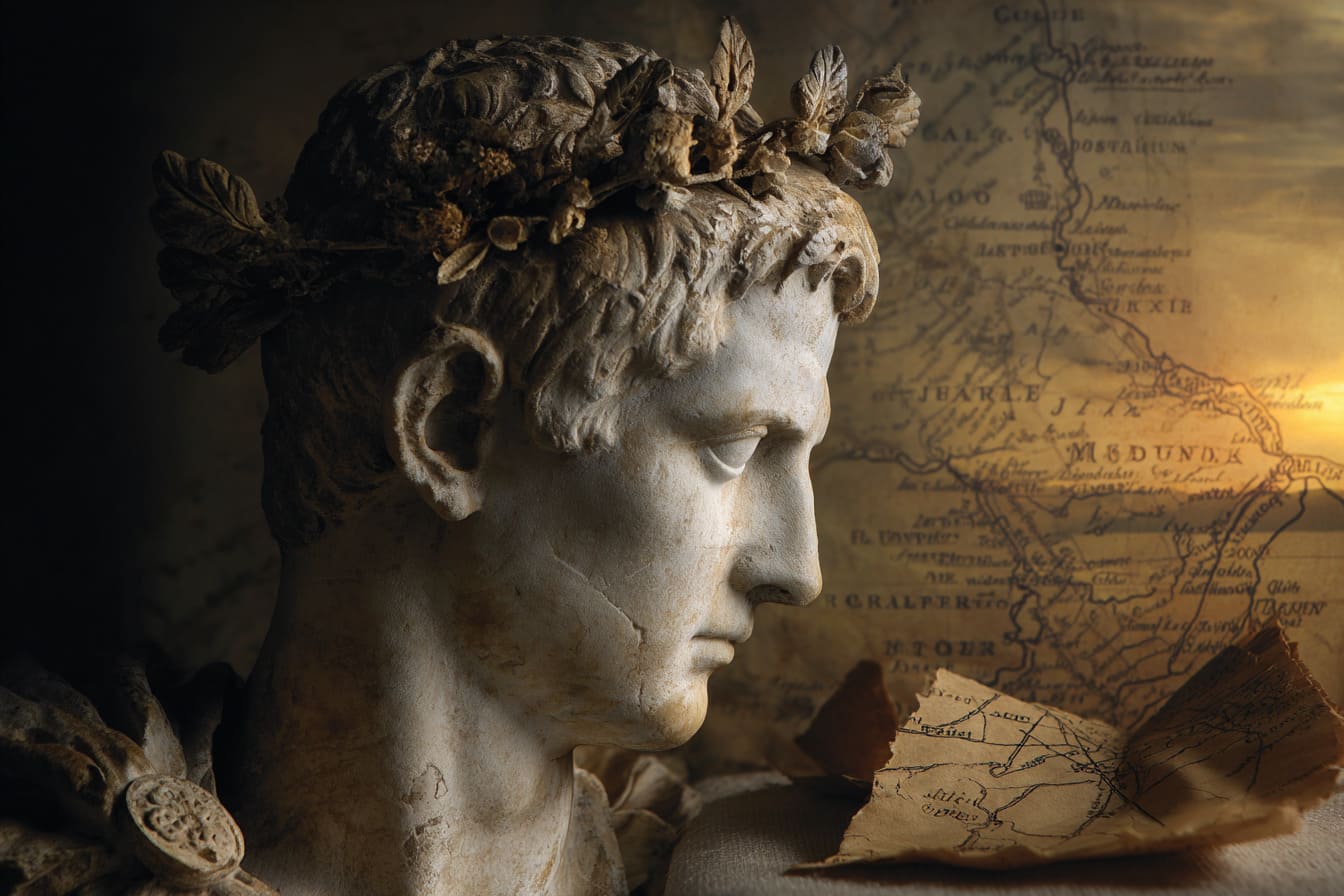
You’re asking who was roman emperor when jesus died because dates and names can get messy fast. The short answer: it was Tiberius. He ruled the Roman Empire from AD 14 to 37, and the crucifixion falls inside his reign. On the ground, the man who signed off on the execution in Judea was Pontius Pilate, the Roman prefect (governor) of the province. Together, these two facts settle the core question and give you a clear frame for the rest of the story.
Quick context: why your question is confusing (and how to make it easy)
Ancient dates overlap. You read about Julius Caesar, Augustus, Herod, and Pilate—and it’s natural to mix them up. To keep it straight:
- Emperor in Rome: Tiberius, ruling from AD 14–37.
- Governor in Judea: Pontius Pilate, prefect AD 26–36.
So when you ask who was roman emperor when jesus died, you’re really asking about the big ruler (Tiberius) while also touching the local authority (Pontius Pilate).
From Julius Caesar to Tiberius: the chain of power you should know
Many readers secretly wonder, “Who took over after Julius Caesar?” The answer helps you place Jesus in time:
- After Julius Caesar came his adopted heir Augustus (born Octavian). He became the first emperor (27 BCE–AD 14).
- After Augustus came Tiberius (AD 14–37), second emperor of the Roman Empire and the one ruling when Jesus was executed.
If you’ve ever heard that Jesus was born under Augustus and died under Tiberius—you’ve got the headline timeline right.
The year question: AD 30 or AD 33?
Scholars debate whether the crucifixion happened in AD 30 or AD 33. Both dates sit inside Tiberius’s reign and within Pilate’s tenure in Judea, which is what matters for your core question. The discussion looks at things like Passover timing, the Gospel of Luke’s note about the “fifteenth year of Tiberius,” and astronomical calendars. Either way, if you ask who was roman emperor when jesus died, the reliable answer stays Tiberius—no matter which of those two years you accept.
Who actually ordered the crucifixion?
Emperors didn’t handle local trials. In Jerusalem, a provincial capital, the Roman prefect did. That was Pontius Pilate. His job covered law and order, tax collection, and the final word on executions like crucifixion. So your everyday version of the answer is: Tiberius reigned; Pilate condemned.
Why Tiberius? What kind of emperor are we talking about?
Tiberius wasn’t a flashy builder like Augustus or a notorious headline-maker like Nero. He was an experienced general who became emperor at 55 and ruled for more than two decades. His Rome was stable, bureaucratic, and sometimes tense—think heavy administration, less public show. That climate shaped the way provinces (like Judea) were run: tight control, quick suppression of unrest, and harsh penalties for anything that smelled like sedition.
Judea under Rome: prefects, client kings, and everyday control
Rome managed the eastern provinces using a mix of client kings (like Herod’s family) and direct Roman officials. By the time of Jesus’ trial, Judea was under direct Roman rule with Pilate as prefect. He answered up the chain to the Syrian legate and ultimately to Tiberius in Rome. That’s why the Gospel narratives show local religious leaders bringing Jesus to Pilate—because only Rome could authorize crucifixion.
People Also Ask (straight answers in plain English)
Who ruled Rome when Jesus was crucified?
Tiberius was emperor. In Judea, Pontius Pilate was the prefect who approved the execution.
Was Pontius Pilate an emperor?
No. Pilate was a provincial governor (prefect), not an emperor. He reported to higher Roman authorities and, ultimately, to Tiberius.
What year did Jesus die?
Most historians land on AD 30 or AD 33. Both dates align with Tiberius’s reign and Pilate’s tenure.
A quick timeline you can remember
- 27 BCE–AD 14: Augustus rules the empire; Jesus is born during his era.
- AD 14–37: Tiberius rules; Jesus is tried and crucified during this period.
- AD 26–36: Pontius Pilate serves as prefect of Judea; the trial happens under his watch.
Keep that three-line timeline in your notes and you’ll never mix up the names again.
Story moment: how a guide in Rome explains it in 30 seconds
Imagine you’re on a walking tour near the Forum. Your guide points to the Palatine and says:
“When you ask who was roman emperor when jesus died, think Tiberius at the top, Pilate on the ground. Augustus came first, but Tiberius is the emperor of the crucifixion years. That’s the simplest way to lock the chronology in.”
Simple, sticky, correct.
Why the emperor vs. governor split matters for you
Knowing the difference helps you read ancient texts with modern sense. Emperors set policy and tone; governors executed the policy. So:
- If you care about politics, Tiberius’s cautious, sometimes severe rule explains Rome’s low tolerance for unrest.
- If you care about legal process, Pilate’s prefecture explains why the trial and execution unfolded under Roman authority, not just local religious courts.
Did Augustus have anything to do with Jesus’ life?
Indirectly, yes. Augustus created the imperial system Jesus was born into—including the census culture you read about—and set up the administrative world that Tiberius later inherited. But when you ask who was roman emperor when jesus died, that credit (or blame) belongs to Tiberius.
Common mix-ups you can avoid
- “Was it Caesar?”
“Caesar” became a title for emperors after Julius Caesar. In Jesus’ adulthood, the “Caesar” was Tiberius. - “Was Pilate the emperor?”
No—governor, not emperor. - “Wasn’t Herod in charge?”
Herod’s sons ruled some territories as client kings, but Judea (where Jerusalem sits) was under Roman prefects during Pilate’s years.
Practical reading tip: how to spot who’s who in ancient sources
When you read an ancient text:
- Look for the emperor’s name—that pins the broad date range.
- Look for the local office (prefect, procurator, legate, tetrarch)—that tells you who actually ran the trial or the tax.
- Cross-check with one solid reference work and you’re done.
For a quick, reliable confirmation of reigns and offices, Encyclopaedia Britannica is an easy starting point: the Julio-Claudian dynasty page lists emperors and dates, and the Biblical literature section notes Pilate’s term in Judea.
FAQ
Who was roman emperor when jesus died (one sentence)?
Tiberius—and Pontius Pilate was the prefect who carried out the execution in Judea.
Who ruled after Julius Caesar?
Augustus (Octavian) became the first emperor, then Tiberius followed him. Jesus died during Tiberius’s rule.
Where did the crucifixion happen in the Roman system?
In Jerusalem, under the authority of the Roman prefect of Judea—Pontius Pilate—with the emperor in Rome setting the imperial backdrop.
Why do some say AD 30 and others AD 33?
Because scholars weigh calendar data and Gospel references differently. Both years fall under Tiberius and Pilate.
Wrap-up you can quote
Who was roman emperor when jesus died? Tiberius. He ruled Rome from AD 14–37, while Pontius Pilate governed Judea (AD 26–36) and approved the crucifixion. If you remember Tiberius in Rome, Pilate in Judea, you’ve nailed the essentials.