
On this page · 8 sections
- Why Is the Colosseum Broken? The Short Answer
- The Construction of the Colosseum
- The Colosseum During The Roman Empire
- The First Major Damage: Fires and Earthquakes
- Medieval Reappropriation and Depredation
- Spoliation and Material Plunder
- Natural Disasters and Their Impact
- Efforts in the Modern Era to Preserve the Colosseum
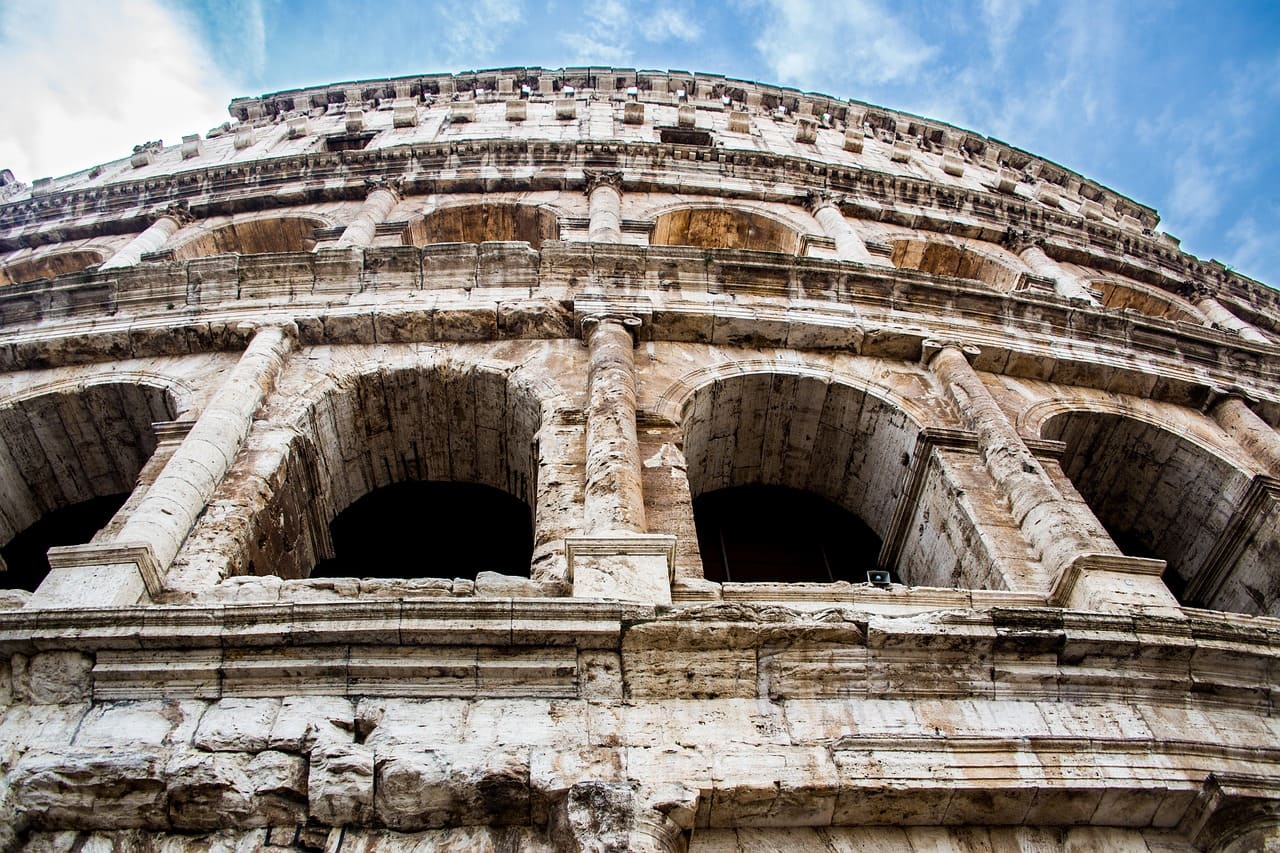
The Colosseum stands as a monument to ancient Rome, showcasing the marvels of Roman engineering. Built in 80 AD, it was once the center of Roman culture, hosting thrilling gladiatorial contests. But over the centuries, one might ask: What happened to the Colosseum? Time and turmoil have left their marks—natural catastrophes and human plundering have damaged this ancient amphitheater.
Yet, it still draws crowds, serving as a reminder of Rome’s Imperial glory. Efforts to restore it continue, highlighting its historical importance and the brilliance of its construction.
Key Takeaways
- The Colosseum is an iconic structure from ancient Rome, showcasing Roman architecture.
- What happened to the Colosseum during its long history is evident in its partial ruin and ongoing restoration.
- Originally used for public spectacles and gladiatorial contests.
- Has faced destruction from natural disasters and human plunder over the centuries.
- Remains a popular tourist attraction despite its dilapidated condition.
- Ongoing restoration efforts aim to preserve its historic and architectural significance.
Why Is the Colosseum Broken? The Short Answer
The Colosseum is broken because of earthquakes, soft ground and centuries of stone robbing. Its south side stood on unstable, waterlogged soil and collapsed in earthquakes, most famously in 847 and 1349. Afterwards, Romans used the ruin as a quarry, carting away its travertine for new buildings and prying out the iron clamps that held the blocks together.
In short, four things broke the Colosseum:
- Earthquakes, from the 5th century to 1703
- Weak ground under the south side
- Stone robbing that lasted for centuries
- Metal hunters who dug out the clamps and left the walls full of holes
Why only the north side still stands
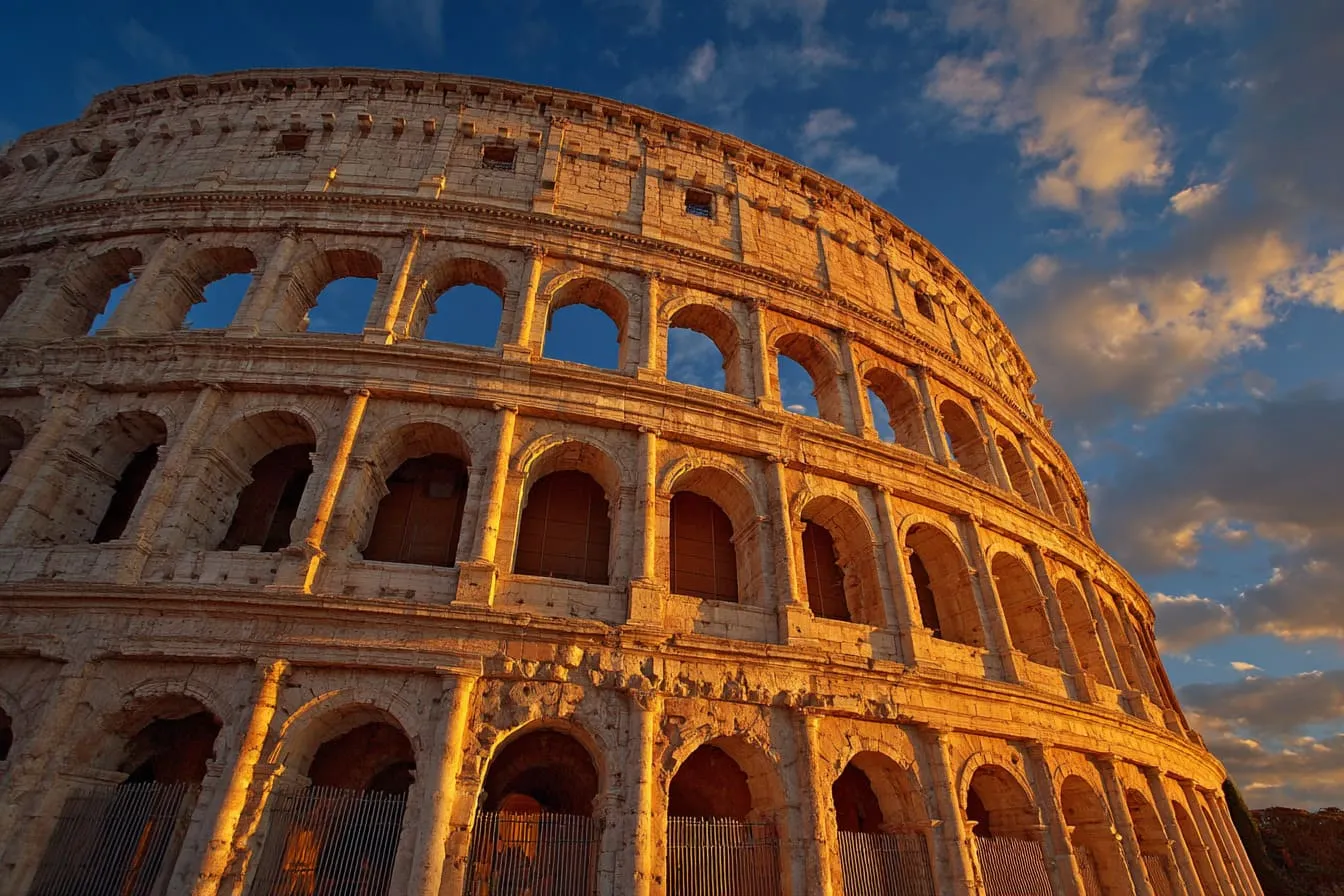
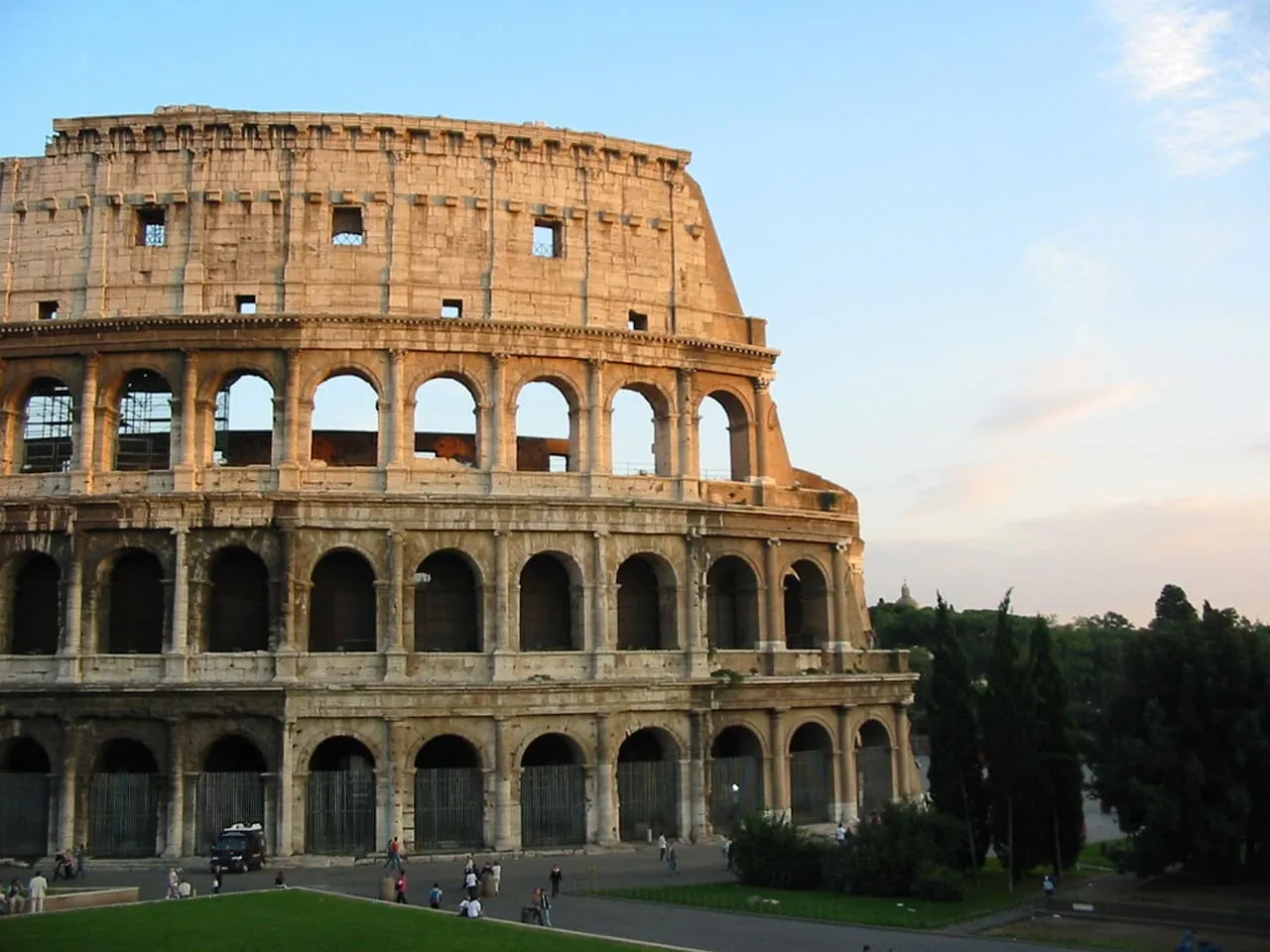
Originally the outer wall rose about 50 metres all the way around. Today only the north side still shows its full height. According to the Parco archeologico del Colosseo, just 33 of the 80 outer arches survive.
The reason lies underground. The southern half was built over the drained lake of Nero's palace, the Domus Aurea, on soft river sediments. The northern half rests on firmer ground. When earthquakes struck, the south side moved more, cracked more and eventually gave way. The official site describes a slow, partial collapse from the 6th–7th century onwards, caused by subsidence, earthquakes and the reuse of fallen stone.
Which earthquakes did the damage?
| Earthquake | What it did |
|---|---|
| 5th century (443, 484/508) | Damaged the seating, arena and podium; repaired by Roman officials |
| 847 | The weakened south face gave way, leaving a huge heap of travertine |
| 1349 | Caused further serious damage; many sources date the big collapse to this quake |
| 1703 | Brought down two or three arches of the second ring on the south side |
Sources still disagree on whether 847 or 1349 was the decisive blow, and archaeologists hope new dating of the rubble will settle it. The most accurate answer is that the south side came down in stages over several centuries, with these two quakes doing most of the damage.
The Colosseum as a stone quarry
Earthquakes knocked the stones down; people took them away. The building was made mainly of travertine, a durable limestone quarried near Tivoli, and that fallen travertine was too valuable to leave lying around. Official excavations show that most of it was removed in the 11th and 12th centuries. Removal continued into the Renaissance, when Colosseum stone went into Palazzo Venezia and into St. Peter's Basilica, whose own story we tell in when St. Peter's Basilica was built.
Why the Colosseum's walls are full of holes
The pockmarks covering the surviving walls are not bullet holes or decoration. Roman builders joined the travertine blocks with an estimated 300 tonnes of iron clamps set in lead. In the Middle Ages, when metal was scarce, people chiselled into the joints to pull the clamps out and melt them down. Every hole marks a spot where someone dug for metal.
Is the Colosseum still crumbling?
No. The Colosseum is constantly monitored. Reports in 2012 that the south side sits about 40 cm lower than the north caused alarm, but officials stressed that the building is stable on foundations around 13 metres deep. It came through the central Italian earthquakes of October 2016 without damage.
Restoration has also changed how it looks today:
- 2013–2016: a €25 million project funded by the Tod's group cleaned the façade of traffic grime.
- 2021: the restored underground reopened, which you can explore on a Colosseum underground tour.
- October 2025: the Commodus Passage opened to visitors.
- March 2026: the two lost corridors of the south side were traced in travertine paving on the ground, so you can now see the outline of the missing half.
Seeing the broken outline lit up after dark is one of the most striking views in Rome, and a good reason to see the Colosseum at night.
The Construction of the Colosseum
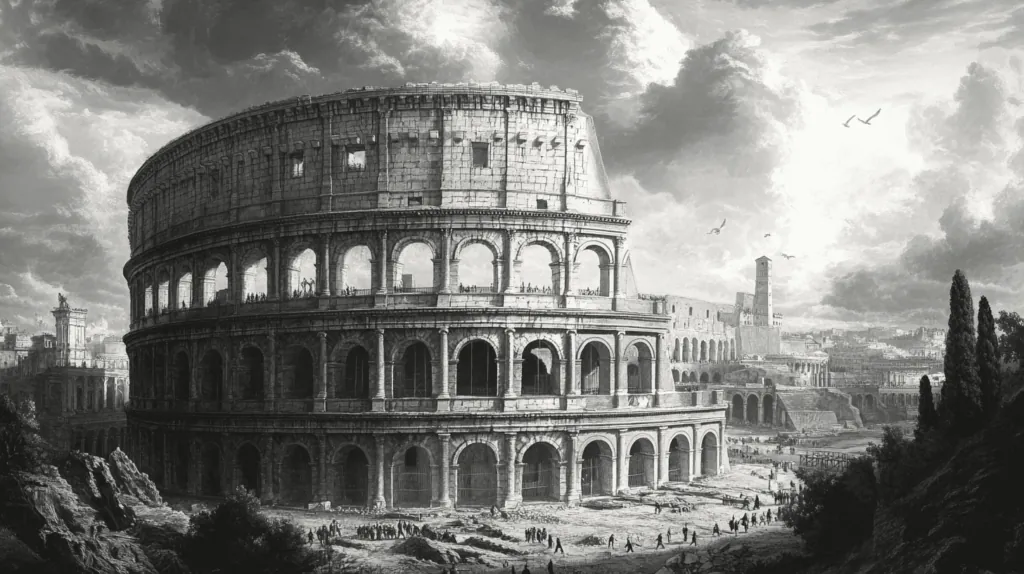
The Colosseum is a marvel of Roman engineering linked closely with the Flavian dynasty. When was the colosseum built? Emperor Vespasian started it around 70 AD. It was funded by the loot from the Siege of Jerusalem, showing Rome’s power and wealth.
Initial Conception and Funding
Emperor Vespasian wanted the Colosseum to show the Flavian dynasty’s strength. It was built with wealth from the Jewish Temple. This aimed to boost Rome’s spirit and offer a place for events. But what happened to the Colosseum after Vespasian’s era that led to its partial ruin and eventual transformation?
Materials and Techniques Used
Different materials like wood, limestone, and volcanic rock were used. Many Jewish war prisoners worked on it, showing off Roman engineering skills. The design featured arches and vaults—innovations that helped it stand for centuries. Yet in spite of these robust techniques, what happened to the Colosseum that tested its enduring strength?
Architectural Marvel
The Colosseum’s design shows Roman engineering genius. Its shape and structures made it easy to manage large crowds. The use of varied materials and advanced techniques made it a lasting symbol of Roman architectural success.
The Colosseum During The Roman Empire
The Colosseum was the heart of entertainment in the Roman Empire, drawing thousands. Gladiators fought here, and plays were performed, displaying Rome’s might. When looking back, many wonder: What happened to the Colosseum after these grand spectacles ceased and the Empire itself began to decline?
Gladiator Games and Public Spectacles
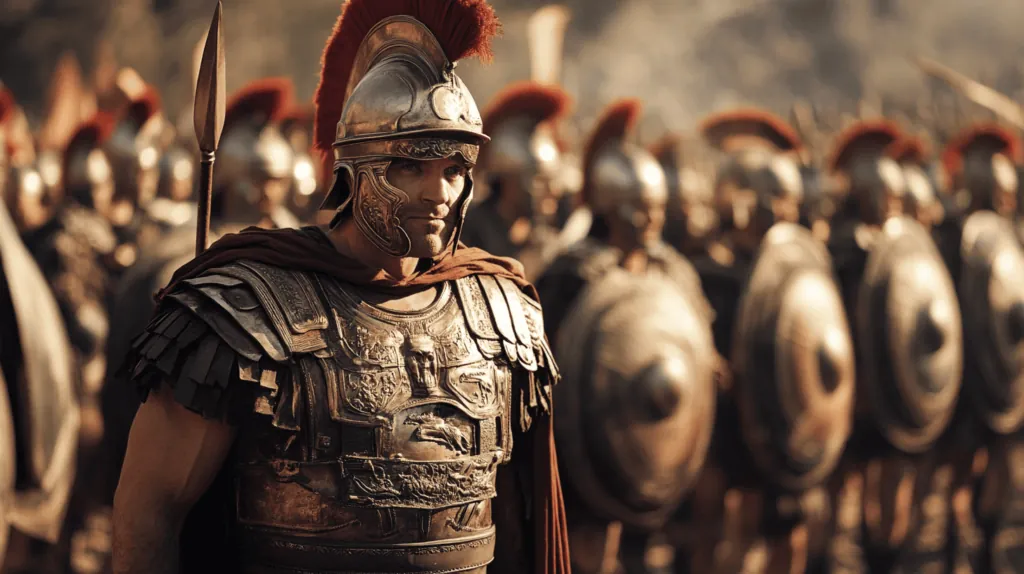
Gladiator battles were a big deal at the Colosseum. But there was more than just fighting. There were wild animal hunts and battle reenactments too. These shows did three things: entertained, showed off Rome’s power, and kept the people happy.
The scale of these events showed how rich and advanced Rome was.
Emperors and Their Influence
Emperors often used these events to gain political ground. They funded the large gladiator battles, tying their names to generosity and strength. Seeing the emperor at these games made people feel closer to him. It was a way for emperors to gain people’s loyalty and love.
This link between the emperors and the games was key to Rome’s stability. It was part of what kept the empire together.
The First Major Damage: Fires and Earthquakes
The Colosseum, an iconic symbol of ancient Rome , dealt with big challenges early on. It faced ancient fires and Roman earthquakes. These disasters caused a lot of Colosseum damage. They also meant a lot of repairs were needed to bring back its beauty.
The Fire of 217 AD
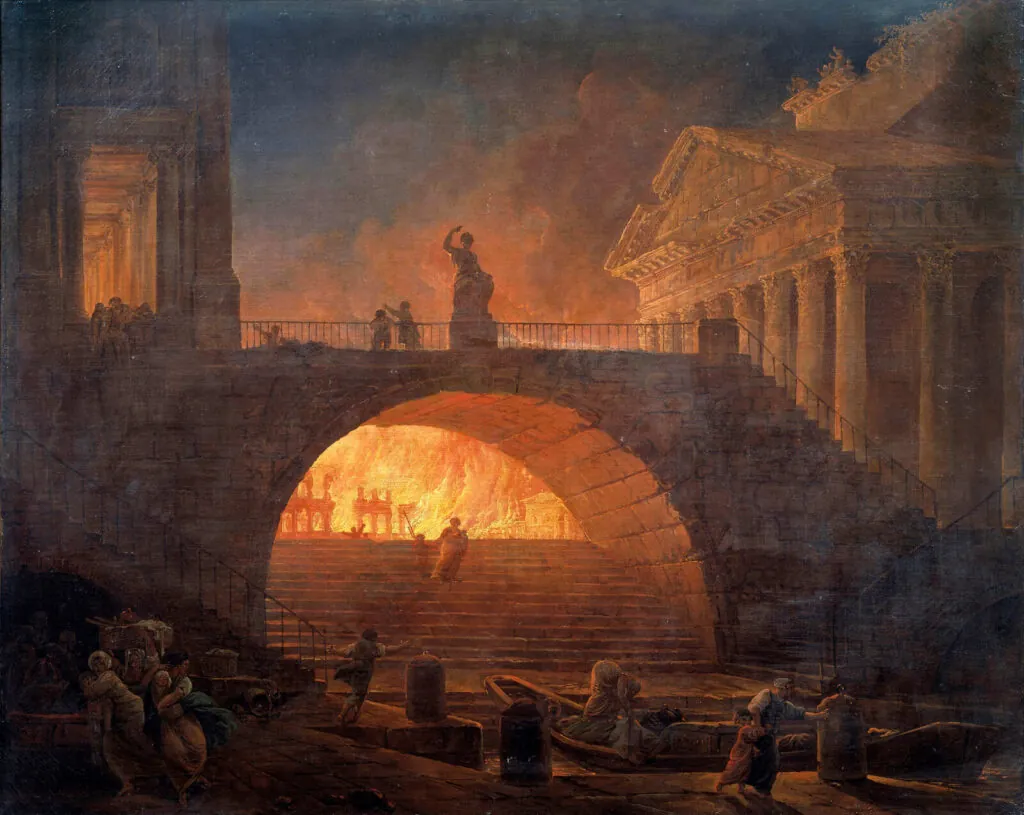
In 217 AD, the Colosseum was hit by a huge fire. This fire destroyed the upper wooden parts. It was one of the first big ancient fires to hit this giant structure. The fire ate up much of the wood, leading to a long time of rebuilding. This event showed the weakness of even the best Roman building tricks.
Earthquake of 443 AD
A big Roman earthquake in 443 AD shook the Colosseum too. It hurt parts of the Colosseum that were already weak. The earthquake damaged the seating, the arena and the podium, which Roman officials then repaired. This made it even harder to keep the old stadium strong.
This cycle of ancient fires and Roman earthquakes showed the tough forces of nature the Colosseum faced. But, despite these hard times, it kept standing. It’s a sign of how smart and strong Roman building was.
Medieval Reappropriation and Depredation
In the medieval era, the Colosseum changed a lot. It wasn’t just for gladiator games anymore; this is what happened to the Colosseum when powerful families and the Church began to repurpose it for their own needs. It soon stood for Christian faith and even served as a fortress for Rome’s elite.
Christian Martyrdom and the Church
The Colosseum’s role changed drastically. It transformed into a Christian shrine. This marked a huge shift. It symbolized where many Christians were believed to have been sacrificed. The Church began to take over, turning it into a place for worship.
Fortifications by Roman Families
During medieval times, the Colosseum was fortified by influential Roman families, especially the Frangipani. Understanding what happened to the Colosseum in this period reveals how it transformed from a grand arena into a strategic stronghold.
Earthquake of 1349
The Colosseum faced a big challenge in 1349 with an earthquake. This disaster destroyed its southern side. It led to more changes, making the monument look and function differently than before.
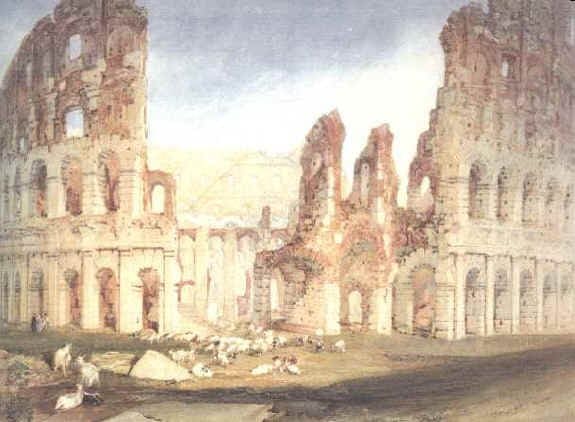 rome Earthquake of 1349 | Image Source: Colosseum.info
Spoliation and Material Plunder
After the Roman Empire fell, what happened to the Colosseum was a slow but relentless process of destruction, leading to the loss of much of its original materials. The plunder during this period stripped away its precious resources and changed how parts of it were used over the years.
Reused Travertine and Marble
People took stone from the Colosseum to build new places in Rome: mainly travertine, but also marble from the seating. This stone was used in palaces and churches of the Renaissance era. This not only reused important materials but also helped create new architectural wonders in the city.
Visible Scars from Iron Clamps
Taking out the iron clamps, which were set in lead, left visible damage on the Colosseum. These clamps were taken for their value, leaving marks and holes. These marks remind us of the Colosseum’s past. They tell a story of change and the need to use what was available.
Natural Disasters and Their Impact
The Colosseum is an ancient symbol of Rome’s great engineering, yet what happened to the Colosseum after repeated earthquakes and other disasters significantly altered its original form. Over centuries, these events reshaped its appearance and weakened its structure.
The Great Earthquake of 1349
A huge earthquake shook Rome in 1349, causing the Colosseum’s southern side to collapse. This is what happened to the Colosseum when the medieval city repurposed its fallen stones for other buildings, marking a key point in its decline.
Earthquakes in the Modern Period
The Colosseum still contends with earthquakes in modern times, requiring frequent inspections and reinforcements. In looking at what happened to the Colosseum through various seismic events, we see how vital ongoing structural safeguards are for its survival.
Roman determination is clear in the efforts to keep the landmark safe from disasters. Every earthquake tests ancient Roman designs. It also shows how much we want to keep this piece of history safe.
Efforts in the Modern Era to Preserve the Colosseum
The Colosseum’s preservation has greatly improved recently. Efforts now aim to protect its structure and beauty. This ensures it stays significant for future generations.
Papal Interventions
The papacy played a key role in saving the Colosseum. Through the years, many popes contributed to its conservation. This is what happened to the Colosseum when ecclesiastical authorities stepped in: they halted material theft and refashioned the arena as a memorial for Christian martyrs.
Restoration Projects from 1993 to 2000
From 1993 to 2000, the Colosseum underwent major restoration. What happened to the Colosseum during this period was a combination of structural stabilization, facade cleaning, and repairs—efforts that showcased a renewed commitment to preserving its legacy.
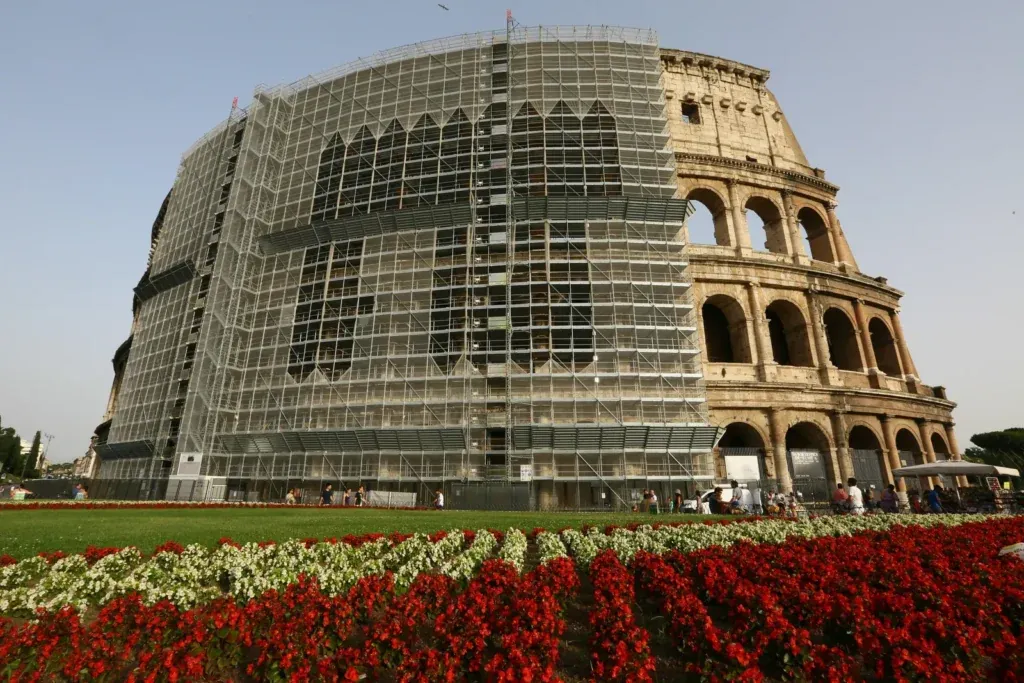 Colosseum Restoration | Image Source: architecturaldigest.com
Impact on Tourism
The Colosseum, recognized as one of the New 7 Wonders of the World, underscores its global cultural value. Yet, understanding what happened to the Colosseum—from its origins to its current restored state—adds depth to the millions of visitors’ experience each year.
Being one of the New 7 Wonders has made the Colosseum more popular. People are amazed by its size and how it was built by the Romans. This recognition has made the Colosseum a top place to see.
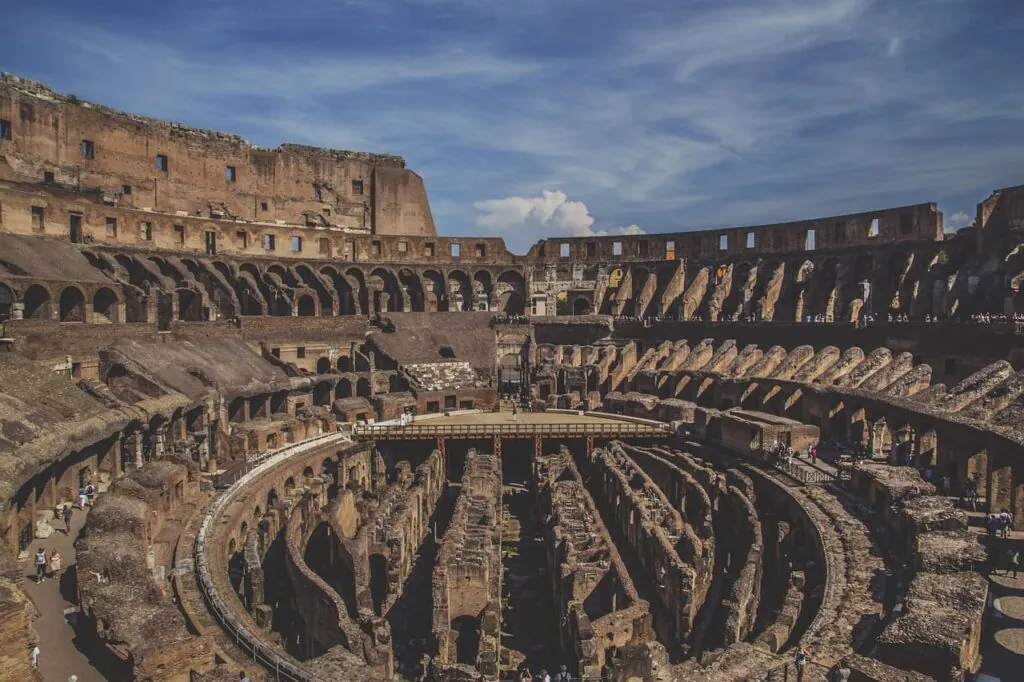
Importance in Modern Culture
The Colosseum occupies a significant space in modern culture, appearing in countless films, books, and artworks. This is what happened to the Colosseum as it transcended its ancient role and emerged as a universal symbol of Rome’s lasting influence.
Architectural and Historical Significance
The Colosseum remains a premier symbol of Roman architecture, highlighting the empire’s engineering prowess. While exploring what happened to the Colosseum over centuries of tumult, we still marvel at its oval design and multiple arches that once accommodated tens of thousands of spectators.
Representation of Roman Engineering
Roman engineering shines in the Colosseum. It was built with travertine limestone, tuff, and concrete. This made it strong enough to last through big weather changes for centuries. The hypogeum showed off new underground building methods.
Cultural and Symbolic Value
The Colosseum’s value is more than just its design. Even after natural disasters and misuse, it’s still very important. It stands for the history of the Roman Empire. It’s a symbol of Rome’s greatness, beauty, and power.
Conclusion
The Colosseum is a powerful symbol of Roman brilliance and strength. It has stood up to time, enduring fires, earthquakes, and neglect. Still, it fascinates people worldwide. But what happened to the Colosseum from its original glory to its status as a cherished ruin today? Its shift from an ancient entertainment venue to a treasured historic site tells a story—one of lasting influence and the importance of protecting our heritage.
The Colosseum reflects the greatness and skill of Roman builders. It showcases Rome’s advanced building methods and its story through time. This includes changes during the Middle Ages and efforts to restore it today. The story of the Colosseum is like the story of Rome itself.
Today, preserving the Colosseum teaches us the value of our cultural treasures. This iconic monument celebrates past achievements and ongoing dedication to saving historic sites. It highlights the role of such monuments in attracting tourists and symbolizing cultural pride. The Colosseum remains a key part of Roman history , now and always.
FAQ
What happened to the Colosseum?
How was the Colosseum constructed?
What events were held in the Colosseum during the Roman Empire?
What caused the first major damage to the Colosseum?
How was the Colosseum used during the medieval period?
What materials were plundered from the Colosseum through history?
What impact did natural disasters have on the Colosseum?
What modern efforts have been made to preserve the Colosseum?
How has the Colosseum impacted tourism?
Why is the Colosseum significant architecturally and historically?
Why is half of the Colosseum missing?
Was the Colosseum destroyed by an earthquake?
Why does the Colosseum have holes in it?
Is the Colosseum still falling apart?
Will the Colosseum ever be rebuilt?

Founder of PortalWeb GmbH, a Swiss web agency, and a passionate traveler. Every fact on Colosseum at Night is checked against official sources and kept up to date.
Comments