
On this page · 7 sections
The best things to do in Rome: see the Colosseum (ideally at night), walk the Roman Forum and Palatine Hill, toss a coin in the Trevi Fountain, stand under the Pantheon's dome, climb the Spanish Steps, explore Trastevere's lanes, and eat like a Roman — carbonara, supplì and gelato. Three days covers the essentials; a week lets Rome breathe.
Rome rewards a plan. Not a rigid one — the city's best moments happen between the sights — but knowing what deserves your time stops you from queuing your holiday away. Here are the 21 experiences we'd actually repeat, grouped by the kind of traveller you are, with the practical details that guidebooks skip. (For the compact bucket-list version, see our must-see guide; this article is the fuller answer.)
The Icons (do these first)
1. The Colosseum — after dark if you can. Daytime is impressive; night is unforgettable. The underground tunnels and arena floor open on small evening tours with no crowds, cooler air and theatrical lighting — compare the verified night tours here. Going by day instead? Book the first morning slot and check opening times first; the difference between 8:30 am and 11 am is about two thousand people.
2. Roman Forum & Palatine Hill. The empire's downtown, included with your Colosseum ticket. Go early, take water (there are free fountains inside), and give it two unhurried hours — our Forum guide covers tickets, hours and the entrances with the shortest lines.
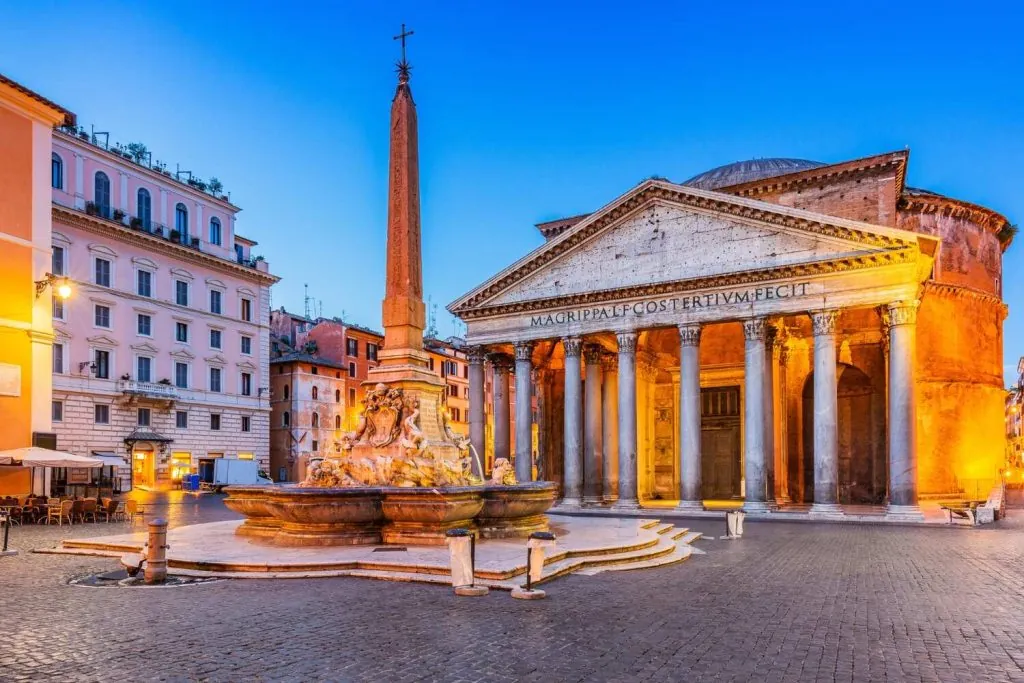
3. The Pantheon. A 2,000-year-old unreinforced concrete dome with a nine-metre hole in the top — still the world's largest of its kind. The small entry fee is the best few euros in Rome. Come twice if it might rain: watching water fall through the oculus onto the marble floor is quietly magical.
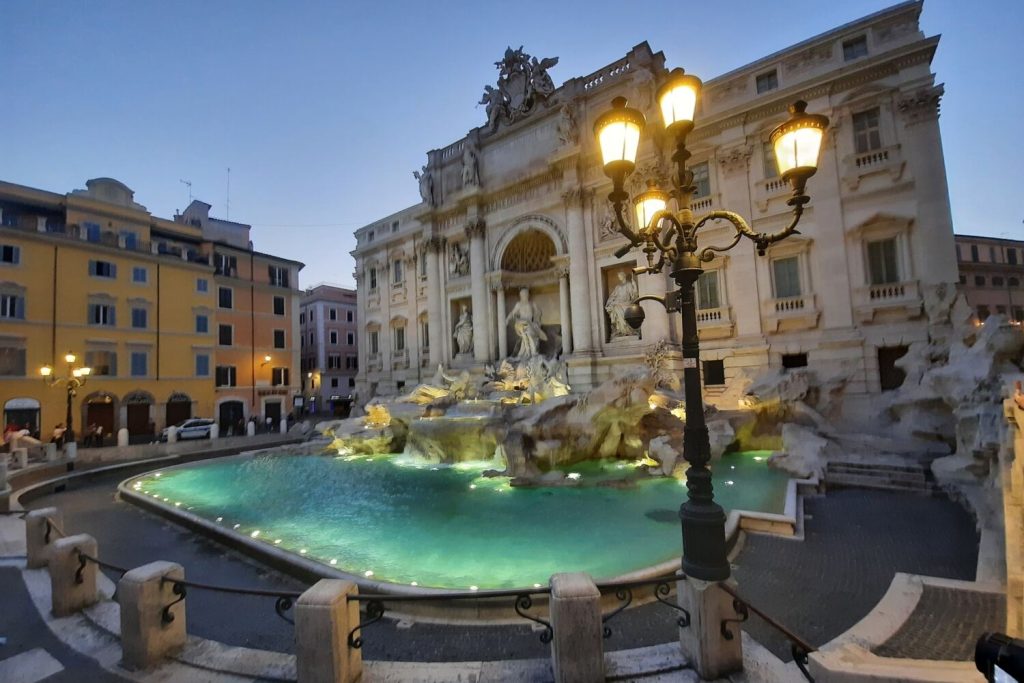
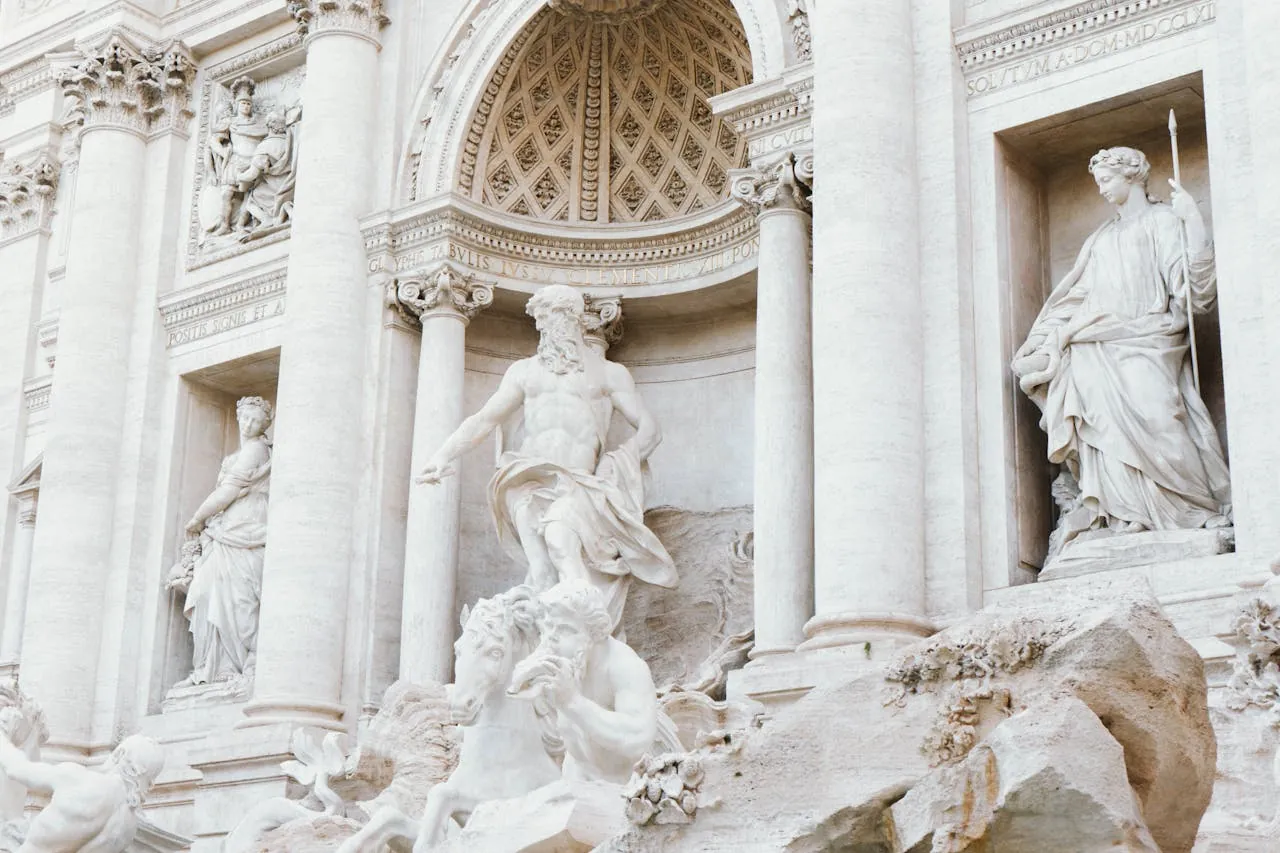
4. Trevi Fountain. Yes, it's crowded — around 1,200 people an hour at midday. Go before 7:30 am or after 11 pm and you'll have space to actually see why it's famous. The coin ritual: right hand over left shoulder, about €1.5 million a year goes to charity.
5. Spanish Steps & Piazza del Popolo. Best combined into one golden-hour walk: climb the 135 steps, drift along Via del Babuino, and finish with the sunset view from the Pincio terrace above Piazza del Popolo.
6. St. Peter's Basilica & the Vatican Museums. The basilica is free (dress code enforced); the museums and Sistine Chapel need advance booking on the official site — the walk-up queue regularly passes two hours. Wednesday mornings are papal-audience chaos; book Tuesday or Thursday instead.
The Neighbourhood Experiences
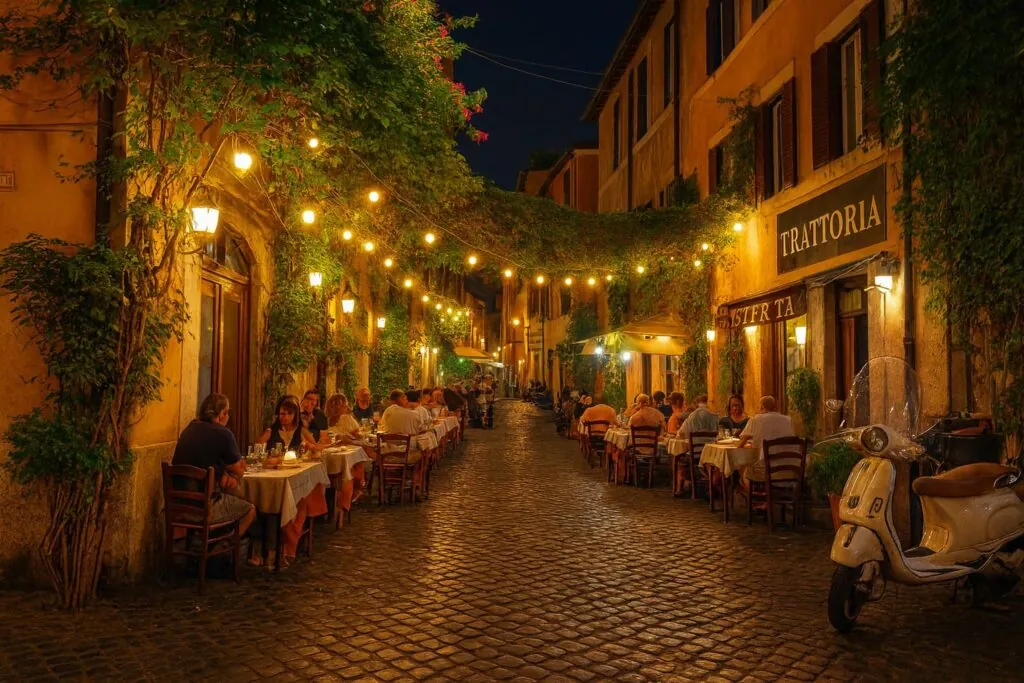
7. Get lost in Trastevere — ivy, cobblestones, laundry lines and Rome's best aperitivo hour. Cross the river on Ponte Sisto at dusk and let the lanes decide.
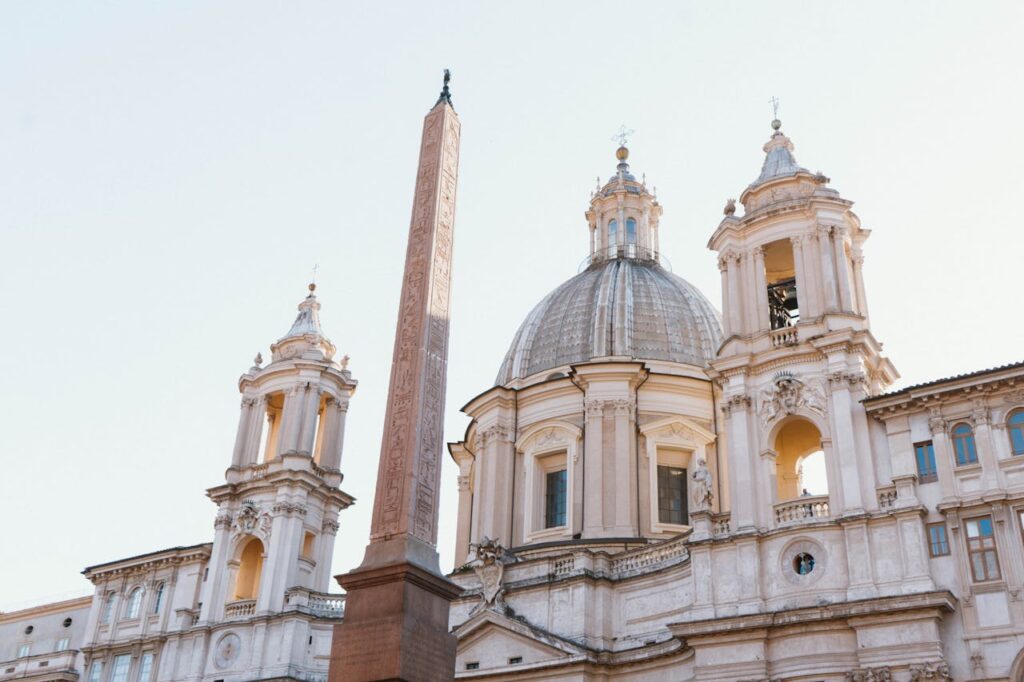
8. Campo de' Fiori market in the morning, then Piazza Navona for Bernini's Fountain of the Four Rivers — the square keeps the oval shape of the ancient stadium beneath it.
9. The Jewish Ghetto for fried artichokes (carciofi alla giudia), the Portico of Octavia, and two millennia of history compressed into four blocks.
10. Aventine Hill: the Orange Garden viewpoint, the famous keyhole view of St. Peter's dome, and almost no tour groups.
11. Monti, the village-in-the-city between the Colosseum and Termini — vintage shops, wine bars on Piazza della Madonna dei Monti, and the arena five minutes downhill.
Eat & Drink Like You Mean It
12. A proper Roman pasta crawl: carbonara, cacio e pepe, amatriciana — one per day, ideally in Testaccio or Trastevere where the recipes were born.
13. Supplì and pizza al taglio standing up, like locals do. A full meal costs less than a tourist-menu appetiser.
14. Gelato from a gelateria that hides its flavours in covered metal tins — the fluorescent mountains are for tourists. Pistachio should be brownish-green, never neon.
15. Coffee at the bar, standing, about one euro. Sitting can triple the price on famous squares. Our where-to-eat guide names actual addresses.
Beyond the Obvious
16. The Capuchin Crypt or the Catacombs for Rome's memento-mori side — bone chapels and underground burial tunnels stretching for kilometres.
17. Baths of Caracalla — colossal, uncrowded, and cinematic near closing time, when the brick walls glow.
18. A dawn walk: the historic centre before 7:30 am belongs to you, the street sweepers and the light. It's the single cheapest upgrade to any Rome trip.
19. Castel Sant'Angelo's spiral ramp and rooftop for the best Tiber-and-dome view in the city.
20. An evening passeggiata with everyone else — Rome's favourite activity is walking nowhere in particular, gelato in hand. Night owls: here's what to do in Rome after dark.
21. Day-trip to Ostia Antica — Pompeii's quieter, closer cousin, thirty minutes by suburban train, complete with mosaics, a theatre and ancient apartment blocks.
Practical Tips That Save Your Trip
Book ahead, always: Colosseum underground/arena slots and the Vatican Museums sell out days in advance in season. Everything else tolerates spontaneity.
Watch the dress codes: churches — including St. Peter's and the Pantheon — require covered shoulders and knees; our what-to-wear guide has the season-by-season answer.
Expect the classic scams: "free" roses and bracelets near fountains, unofficial "skip-the-line" sellers at the Colosseum, taxi meters that stay off. A polite, firm no grazie solves ninety percent of it.
Rainy day? Pantheon (for the oculus rain), Vatican Museums, Capitoline Museums, and long lunches were invented for Roman drizzle.
How Many of These Fit Your Trip?
| Trip length | Realistic plan |
|---|---|
| 2 days | Icons 1–4 + one neighbourhood evening |
| 3–4 days | All six icons + Trastevere + the food crawl |
| 5–7 days | Everything above + Aventine, Caracalla, one day trip |
Still deciding on length? Our honest take on how many days you need in Rome settles it.
Frequently Asked Questions
What is the number one thing to do in Rome?
Is 3 days enough for Rome?
What should you not miss in Rome?
What can you do in Rome for free?
Sources
- advance booking on the official site · museivaticani.va
Sources linked in this article · Last updated: 31 Jul 2026

Founder of PortalWeb GmbH, a Swiss web agency, and a passionate traveler. Every fact on Colosseum at Night is checked against official sources and kept up to date.
Comments